Intermittent fasting, an innovative approach, holds the potential to change our outlook on traditional eating habits by offering a range of distinct health benefits, including weight loss, an increase in longevity, and heightened productivity.
This dietary strategy involves alternating between periods of fasting and eating within predetermined time frames. During your eating period, you can basically consume what you prefer, although opting for healthy and nutrient-rich foods is recommended for enhanced well-being.
Health Benefits of Intermittent Fasting Diet
Before initiating this fasting approach, take a closer look at the various advantages it offers for your well-being.
Intermittent fasting, according to evidence, activates cellular repair and regeneration processes, contributing to a reduction in signs of ageing and an enhancement in longevity.
This method also helps in weight management by supporting fat loss, making it a valuable tool for reaching weight loss goals. Furthermore contributes to digestive health, potentially alleviating discomfort and promoting gut well-being.
Additionally studies indicate that intermittent fasting can have a positive influence on brain function, potentially guarding against neurodegenerative diseases and improving cognitive abilities such as focus and productivity.
Finally, it may prove beneficial for heart health by lowering risk factors such as cholesterol levels, blood pressure, and inflammation, thus providing support for a healthy cardiovascular system.
Considering these compelling benefits, intermittent fasting can be a promising approach to improve overall health and well-being.
Let’s Dive into the Process!
1. Explore Three Foundational Intermittent Fasting Methods
The 16:8 & 14:10 Diets
This method is characterised by a 16-hour window of fasting followed by an 8-hour eating period. In practical terms, if you have your last meal at 8 PM, you wouldn’t eat again until around 12 noon the next day, effectively skipping breakfast. For some, it might be more suitable to stop eating in the afternoon, say at 6 PM, and then have your next meal around 10 AM the following morning. This approach allows for a tailored fasting and eating schedule, accommodating individual preferences and daily routines.

If you’re new to intermittent fasting, I suggest beginning with the 14:10 method. This approach maintains the core principle while extending the time frame during which you can eat. This adjustment not only makes time management easier but also aids in managing hunger more effectively. Notably, this method is especially suitable for women, as the longer fasting window may have an impact on the regularity of the menstrual cycle.
The 5:2 Approach
Another variation of intermittent fasting is the 5:2 approach, which offers maintaining your eating routine for five days of the week. However, on the other two days, you purposefully restrict your intake to a mere twenty percent of your standard daily caloric amount. Women aim to consume around five hundred calories on fasting days, while men target approximately six hundred calories per day. For instance, you can choose Mondays and Thursdays as your fasting days, while on the other days of the week, you would eat as usual. This approach combines the benefits of fasting with the method of calorie counting, which appears to be an effective strategy for weight loss.
Fasting For 24 Hour
In this kind of fasting you select a day or two within your weekly routine to abstain from food for a complete 24-hours period.This could involve an entire day from morning to the following morning or you can start, for example, at 2 pm after lunch and conclude at 2 pm the next day, based on your schedule and daily routine. Throughout the fasting period, you’re allowed to consume water, black coffee, tea and other non-caloric beverages.
This one is quite challenging, you can also observe some intense side effects such as mood swings, fatigue, headache and hunger. If you’re just starting with fasting diets, I would recommend beginning with shorter fasting periods as you slowly adapt to the routine.

2. Create your action
Choose an intermittent fasting approach that aligns with your daily schedule, personal preferences, and goals. In my view, the 16:8 or 14:10 methods serve as manageable options for beginners. Start simply, gradually extending your fasting window hour by hour each day, according to your overall well-being, until your reach your desired fasting duration.
It’s crucial to proactively manage your calorie intake during eating windows to prevent situations where you end up with minimal calories consumed due to unforeseen circumstances, potentially leading to starving. Therefore, plan ahead, organise your meals in advance, stock up on groceries, or simply remain mindful of your upcoming nourishment.
3. Eat Nutrient-Rich Foods
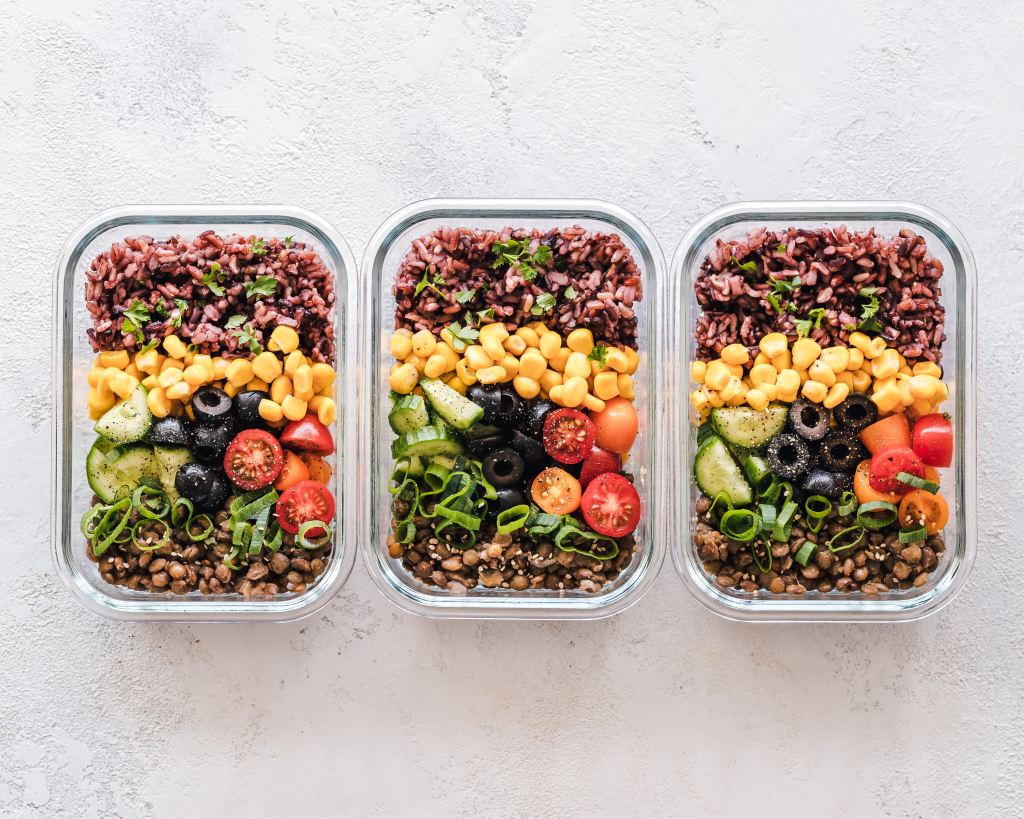
To enhance the efficiency of the fasting diet, opt for nutrient-rich and organic plant-based foods of high quality. Throughout the fasting period, various rejuvenating processes take place, working to rid the body of toxins. Fasting triggers the autophagy process, where cells break down and damaged components are recycled, contributing to cellular health and renewal. To support these processes, consume well-balanced meals that include proteins, healthy fats, grains, vegetables, legumes, fruits, and herbs. The Mediterranean diet serves as a prime example of a nourishing regimen that achieves a harmonious balance.
Incorporating antioxidants such as ginger, turmeric, berries, and kale into your diet is also recommended. Stay hydrated by drinking plenty of water throughout the fasting period. You can also prepare herbal teas or enjoy hot water infused with ginger and lemon to include remedial elements into your dietary routine.
4. Observe Your Well-Being and Make Adjustments
Once you’ve embraced a fasting routine, closely monitor how your body responds during the fasting and eating periods. According to research, it typically takes about two to four weeks for your body to fully adapt to intermittent fasting. Initially, you might experience sensations of hunger, fatigue or mood fluctuations as your body adjusts to the new pattern of caloric intake.
Several studies suggest that individuals who effectively reach this adjustment period often find themselves more dedicated to the plan. This is attributed to the observation that as the adjustment phase progresses, cravings tend to diminish, positive mood increased as well as overall vitality. Staying attuned to these changes can empower your motivation and assist you in staying on track with your intermittent fasting journey.
If you don’t feel entirely comfortable with this diet, consider making initial adjustments, such as reducing the fasting period duration or modifying your calorie intake based on your body’s energy sensations. If the situation doesn’t improve either, perhaps it’s just not a suitable match for you.
Who should avoid this diet?
Intermittent fasting is not recommended for children and adolescents, pregnant women, breastfeeding women, people with eating disorders, and those with medical conditions.
For your safety, it’s suggested to consult any changes to your diet with a healthcare practitioner.

 PHYSIO & yOGA by adel